← Blog
The Significance of Territory in the Lives of Inuit Families
2026-03-25
par @Admin
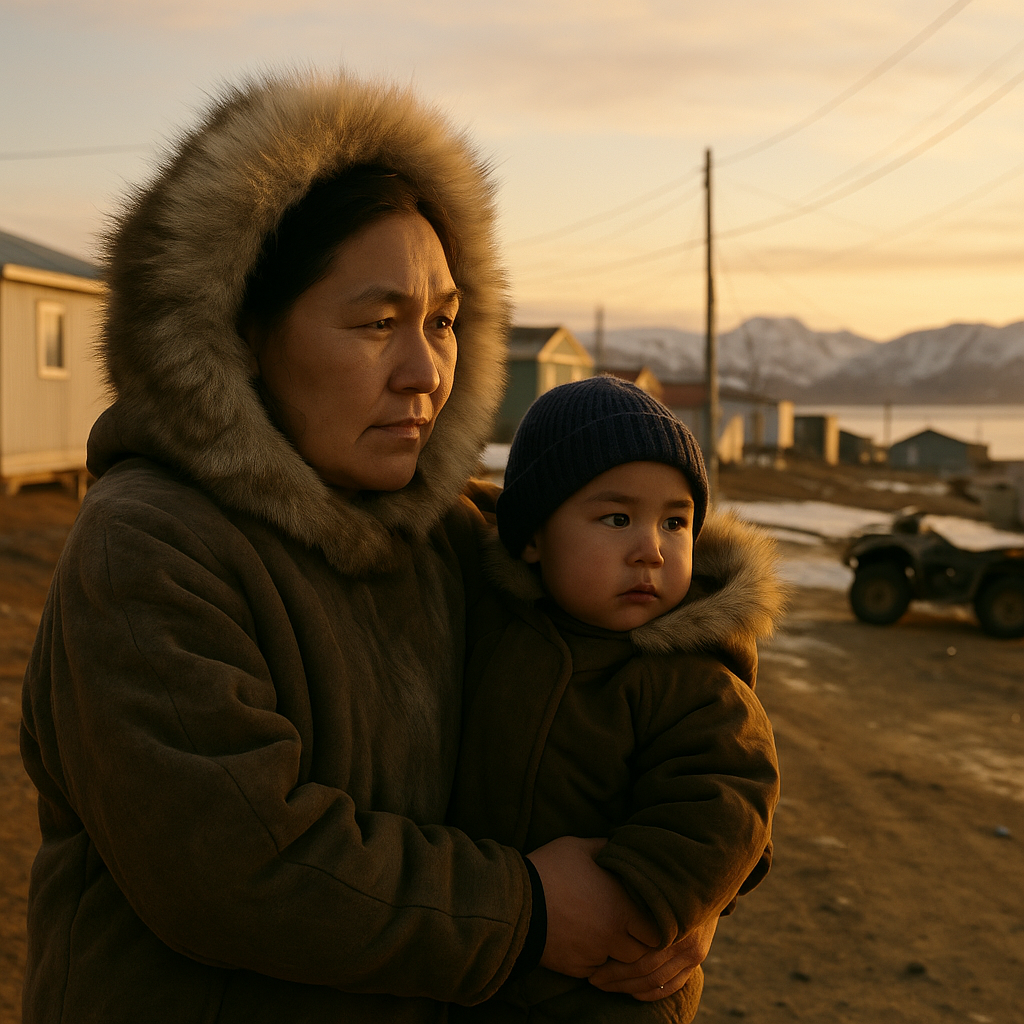
Understanding the Connection to Land For the Inuit people, the relationship with the land is not merely a matter of physical space; it is an intricate tapestry woven with cultural identity, survival, and community. In Puvirnituq,…
Understanding the Connection to Land
For the Inuit people, the relationship with the land is not merely a matter of physical space; it is an intricate tapestry woven with cultural identity, survival, and community. In Puvirnituq, a small village situated in Nunavik, Quebec, this connection is deep-rooted and manifests itself in various aspects of daily life. The territory is a living entity that shapes identities, traditions, and social structures.
Inuit families have lived in harmony with their environment for thousands of years, developing a profound understanding of the Arctic landscapes that surround them. The sustenance they derive from the land reflects not only their resilience but also their ability to adapt to challenging conditions. This bond with the territory is vital for maintaining their cultural practices and ensuring the well-being of future generations.
The Role of Traditional Knowledge
Traditional ecological knowledge (TEK) plays a pivotal role in how Inuit families interact with their territory. Elders, who often serve as custodians of this knowledge, pass down invaluable lessons about hunting, fishing, and the seasonal rhythms of the Arctic. Their insights help younger generations navigate the complexities of their environment and understand its nuances.
In Puvirnituq, the teachings of the land influence various aspects of life, from the selection of hunting grounds to the timing of traditional activities. The knowledge about animal migration patterns, sea ice conditions, and weather changes is crucial for survival. It fosters a sense of responsibility and respect for the natural world, reminding families that they are part of a larger ecosystem.
Cultural Practices Rooted in the Land
Cultural practices within Inuit families are deeply intertwined with the territory. Activities such as hunting, fishing, and berry-picking are not merely means of subsistence; they are also significant cultural expressions. They foster community bonds and reinforce the values of sharing and cooperation, which are foundational to Inuit society.
In the vibrant community of Puvirnituq, traditional gatherings often revolve around these practices. Families come together to prepare for the seasonal hunts, share stories, and celebrate the bounty of the land. These rituals strengthen familial ties and pass on traditions, ensuring that cultural heritage remains alive and relevant in contemporary times.
The Impact of Modernization and Environmental Changes
While the connection to the land remains strong, modern challenges pose significant threats to this relationship. Climate change, industrial activities, and shifting economic landscapes impact how Inuit families engage with their territory. The melting ice, altered migration patterns, and changing ecosystems have profound implications for their traditional practices.
In Puvirnituq, residents are deeply concerned about these changes. The traditional knowledge that has been passed down through generations is now being tested in ways that were previously unimaginable. Inuit families are adapting by integrating modern technology and methods into their traditional practices, all while striving to maintain their cultural identity.
For instance, the use of GPS technology has transformed hunting practices, allowing hunters to navigate the changing terrain more effectively. However, this integration does not replace traditional knowledge; rather, it complements it, creating a dynamic approach to living in a rapidly changing environment.
The Importance of Community and Collaboration
Inuit families understand that the well-being of their community is intertwined with their connection to the land. This recognition fosters a collaborative spirit that extends beyond individual families. Sharing resources, whether it be food from a successful hunt or knowledge about the land, is a vital aspect of community life in Puvirnituq.
Community initiatives aimed at fostering environmental stewardship and cultural education are essential in promoting a holistic understanding of the territory. Programs that engage youth in traditional practices, such as hunting and crafting, not only build skills but also instill a sense of pride in their heritage. These efforts help bridge the gap between generations, ensuring that the values of respect for the land and communal responsibility continue to thrive.
Embracing a Resilient Future
Despite the challenges posed by modernization and environmental changes, Inuit families in Puvirnituq remain resilient. They are actively engaged in discussions about land rights, resource management, and environmental protection. This advocacy is crucial not only for their own future but also for the preservation of the Arctic environment as a whole.
Engaging with broader conversations about climate change and sustainability allows Inuit families to assert their voices in matters that directly affect their lives. By advocating for their rights and the importance of their traditional knowledge, they are not only protecting their heritage but also contributing valuable insights to global discussions about environmental stewardship.
Conclusion
In summary, the territory is an essential aspect of life for Inuit families in Puvirnituq. It shapes their identities, informs their cultural practices, and fosters a strong sense of community. As they navigate the complexities of modern life while remaining deeply connected to their land, Inuit families exemplify resilience, adaptability, and a profound respect for their environment. Understanding this relationship is crucial for appreciating the richness of Inuit culture and the importance of preserving both their heritage and the land they call home.